Supporting clubs across the country into 2026 - Club Support round-up
We recently revamped our Club Support round-ups, with a new quarterly update bringing you one key Club Support story from each region. This time, we'll be updating you on how our Club Support team were out helping clubs with development matters during January to March 2026.
Region: East
Clubs: Ipswich Harriers, Orwell Panthers, Ipswich JAFFA RC
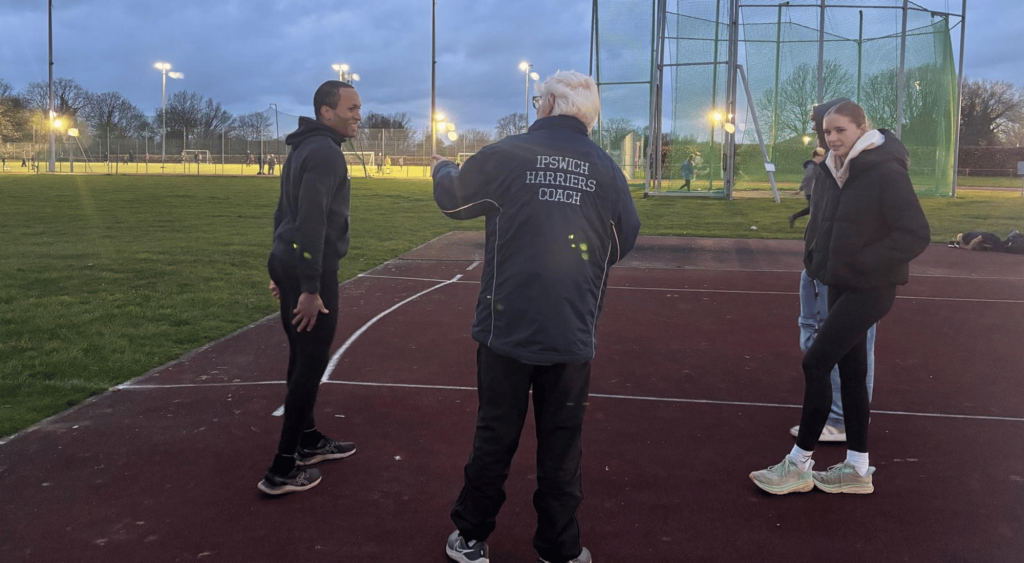
With operating arrangements at Northgate Sports Centre uncertain beyond March 2026, there was a significant risk to the long‑term future of athletics provision in Ipswich. In line with England Athletics’ strategic priorities around safeguarding facilities, and supporting sustainable club environments, the Club Support Manager, Kirsty Fardell, provided proactive, practical support throughout a complex multi‑stakeholder process involving Suffolk County Council, Northgate High School, Sporting Assets and local athletics clubs.
Acting as a central link, the CSM supported clubs to articulate a clear, collective position and ensured their needs were represented in discussions around governance, management and long‑term security, while maintaining alignment between partners with differing perspectives.
Parallel work with Northgate High School strengthened links between education, facility management and community athletics, identifying opportunities to widen participation, develop future workforce capacity and introduce programmes such as Funetics and Backside to Trackside.
The outcome, a £350,000 investment to resurface the track and a new, sustainable operating model from April 2026, secures the future of a vital community facility, provides long‑term certainty for clubs, strengthens governance and partnerships, and delivers a safe, high‑quality training and competition environment.
Closer alignment with the school will also create new participation, volunteering and workforce pathways, directly supporting club growth, reducing waiting lists and ensuring athletics at Northgate remains sustainable for years to come.
Region: South West
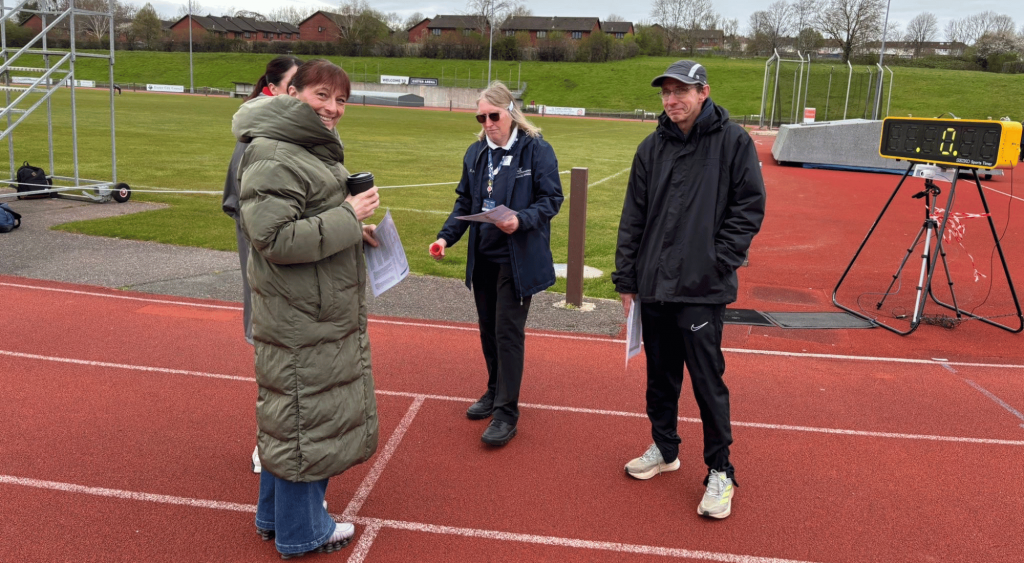
England Athletics, the South West Regional Council and South West Athletics Academy collaborated to deliver a regional development day to support with the age group changes, as well as addressing regional shortages in officials, and identified coaching and athlete development needs.
The day aimed to strengthen the volunteer workforce, improve understanding of national rule changes, and enhance technical event coaching - directly supporting England Athletics' strategic goals of developing the people, clubs and systems that underpin the sport.
Club Support Manager Rich Ayling worked closely with the South West Regional Council to plan and deliver the day, engaging directly with track and field clubs to generate interest and identify coaching and officiating needs. This insight helped shape the programme to reflect club priorities, and on the day, Rich supported delivery by providing updates on U10 and U12 age group changes to improve understanding and consistency.
The programme included a 'Come and Try Officiating' session for new volunteers, technical updates and CPD for existing officials, and hurdles and endurance coaching sessions led by experienced coaches. The development day took place immediately before a licenced competition, giving new officials practical, real-time experience alongside qualified colleagues.
The event engaged 35 officials from 10 affiliated clubs and more than 20 athletes and coaches, with some travelling significant distances to take part. The day strengthened the region’s officiating capacity ahead of the outdoor season, improved workforce confidence around age group changes, and enhanced coaches’ ability to deliver high quality technical event training within their clubs.
Participants gave highly positive feedback, and follow up support was provided to progress new officials toward formal qualifications. Overall, the development day delivered meaningful impact at club, regional and athlete levels - supporting England Athletics' strategy by increasing workforce capability, improving athlete experience, and strengthening the region’s ability to host sustainable, high quality competition throughout 2026 and beyond.
Region: South East
In response to anonymous reports highlighting potential safety risks involving young athletes at a club which will remain unnamed for safety reasons, Club Support Manager for the region, Ffion Edgley, played a central coordination role - working with England Athletics' Facilities team, UK Athletics' Health & Safety team, the club and the facility provider to gather intelligence, assess risk and agree practical solutions.
Through constructive engagement, the CSM helped improve communication, reinforce safety protocols, and support the club in refreshing codes of conduct for members, particularly juniors. The agreed outcomes - clear signage, regular club–facility meetings and improved reporting routes -reduced future risk while strengthening partnership working.
Overall, the approach demonstrated how proactive Club Support input can protect athlete welfare, support volunteer leadership, and create safer, more sustainable environments for clubs to operate and grow in line with England Athletics’ strategy.
Region: East Midlands
In the East Midlands, Club Support Manager Scott Milne worked on a project which supported England Athletics’ strategic aims around strong club governance, inclusive environments and effective collaboration by using a network-led approach to engage multiple road running clubs.
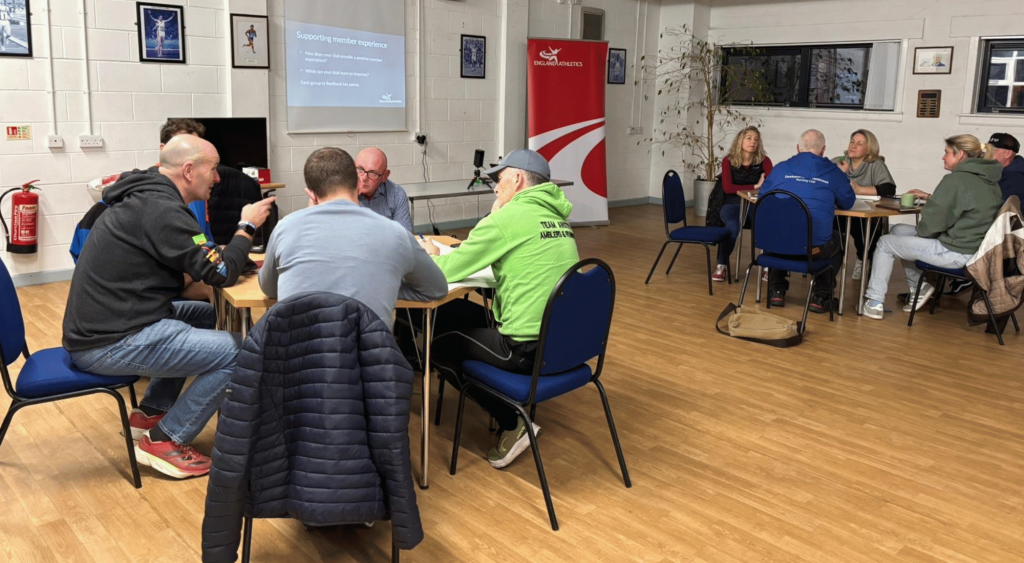
Scott played a facilitative role, building an early relationship with the Leicestershire Road Running League (LRRL) and working in partnership with network leadership to co‑create a targeted networking and development opportunity.
By consulting with clubs on relevant themes and delivering focused discussions on member experience, inclusion and governance, the CSM ensured the session addressed real club challenges. The event strengthened peer learning, encouraged clubs to share good practice, and reinforced key EA priorities around leadership and sustainability.
Ongoing follow‑up support further embedded impact, demonstrating the value of networking as an efficient and scalable way to support clubs and encourage collaborative working.
Region: North West
Following a serious road traffic collision in January which resulted in multiple casualties - both directly and indirectly impacting club members - England Athletics was alerted to the incident through internal health and safety channels. In response, the Club Support Manager, Sarah Friday, played a critical role in providing immediate, compassionate and structured support, in line with England Athletics’ strategic commitments to welfare, safeguarding and sustainable volunteering.
Acting as a local, trusted single point of contact, the CSM coordinated communication between the club and internal England Athletics teams, deliberately protecting club volunteers and committee members from being overwhelmed by multiple requests during an already distressing period. Rapid in‑person engagement, including attendance at a whole‑club meeting within 24 hours, helped establish reassurance, clarity and trust, while reinforcing the support available from England Athletics.
Ongoing pastoral contact over subsequent months ensured volunteers were not left carrying the emotional burden alone, with additional financial support secured to contribute towards counselling costs for those affected.
This approach safeguarded volunteer wellbeing, enabled the committee to focus on supporting members, and strengthened long‑term relationships between the club, the local community and England Athletics - demonstrating the essential role of Club Support Managers in protecting people and sustaining clubs through periods of crisis.
Region: Yorkshire and Humber
Club: Barnsley Athletics Club
Following significant growth in junior membership at Barnsley Athletics Club, increased pressure was placed on a small but highly committed coaching team, creating a risk to volunteer capacity and sustainability. In line with England Athletics’ strategic focus on strengthening clubs and supporting volunteers, Club Support Manager Heidi Bradley worked proactively with the Lead Coach to understand the club’s successes, ambitions and emerging challenges.
The CSM provided guidance on growing the volunteering workforce, potential partnerships and alternative delivery models, including funetics, to support junior activity while reducing reliance on a limited coaching team.
A club visit enabled direct engagement with parents, creating a two‑way conversation to understand their experience, address questions around competition and pathways, and explore how clearer information and defined roles could encourage volunteering.
Insights from parent engagement were fed back to the Lead Coach and used to shape a more intentional volunteer approach. As a result, parent interest has converted into tangible action, with meetings held and clear volunteer roles now being established, supported by ongoing CSM input.
This intervention helped protect existing volunteers, strengthen workforce capacity and support the club’s continued growth in a sustainable way - demonstrating the impact of targeted Club Support aligned to England Athletics’ strategic priorities.
Club Support
Find your Club Support Manager and how you can contact them