England Athletics backs UK Anti-Doping’s Clean Sport Week 2026: Built not bought. 100% me.
England Athletics is proud to support Clean Sport Week (11-17 May), the annual awareness campaign led by UK Anti-Doping (UKAD) that champions fair play, integrity and drug-free sport. This year’s theme, ‘Built not bought. 100% me.’, celebrates athletes who achieve true, lasting success through hard work, talent and commitment.
We caught up with Kate Rooney, former GB athlete and pole vault coach, and Andrew Heyes, England Athletics National Off-Track Endurance Manager and UKAD Athlete Commission member. Here are their reflections on the roles that athletes and support staff play in keeping our sport clean and the pressures that athletes face from the online world.
Through an athlete’s lens
Kate Rooney, former GB pole vault athlete, explained how she found it reassuring as an athlete to know that there were procedures in place to keep the sport clean. She knew that success was being built not bought.
“Clean sport was extremely important when I was competing. It was really good to know that there was lots being done out there to make sure athletics was a cleaner sport, especially in our country.”
Andrew Heyes, England Athletics National Off-track Endurance Manager and UKAD Athlete Commission member, added:

“Clean sport, for me, is about protecting what makes sport meaningful in the first place. At its core, sport is about what Thomas Murray, author of Good Sport, describes as the “virtuous perfection of natural talent.” It is about developing what you have through hard work, discipline, and good decision-making. Success shouldn’t be seen in the context of the result; it’s about how you get there.”
It is an athlete’s responsibility to ensure that they are competing cleanly, Kate had different structures in place to check she was doing everything correctly. These included using Global DRO to check medication, Informed Sport to check supplements and eating as clean as she could to get the nutrition and reduce her need for medication. She was used to being tested regularly:
“I got tested a lot with a lot of British records being broken. We had to take the whereabouts system very seriously. I think my biggest tip was that I had a 7am test as my one hour slot making sure I was always in, being woken up at 7am for a test was much better than having a 9pm one, where you might need to move it around a lot depending on your social life which you’re entitled to as well.”
The pressure to take shortcuts
Clean Sport Week 2026 comes at a critical time. There is growing concern across the sporting and fitness community, about the marketing and availability of Image and Performance Enhancing Drugs (IPEDs) online, including Selective Androgen Receptor Modulators (SARMs).
There is an increasing amount of content online promoting the use of SARMs to young people, with claims that these are ‘safer alternatives to anabolic steroids’. This is not the case. They are dangerous, not for human consumption and are banned in sport. UKAD is using Clean Sport Week to shine a light on this misinformation and to remind people not to risk their health, career and reputation by taking these substances.
Andrew reflected on the pressures athletes face from the online world:
“As Clean Sport Week in 2026 recognises, one of the biggest challenges facing athletes today is the pressure to take shortcuts. That’s often framed as a “young person” issue, but in reality it spans the entire sporting journey. Younger athletes may feel the weight of comparison through social media, being constantly exposed to delicately curated idealised performances, body images that create a sense of never quite being good enough, and the associated clickbait-style ‘hacks’ to get you there. At the same time, older athletes and the growing masters area of the sport can face their own pressures, such as trying to hold on to past levels of performance or physique, as natural changes in recovery, strength, and endurance occur.
“When you combine those pressures with an environment shaped by social media, growing competition structures, and personal goals and expectations, it’s easy to see how some individuals might feel tempted to look for shortcuts. I do have a real concern about where that can lead, but also a strong sense of empathy. These pressures are intense, and some harmful behaviours are becoming increasingly normalised. That’s why it’s so important we create space for honest, sometimes challenging conversations, and make sure people are properly informed before making decisions that could have long-term consequences.
“Education is a cornerstone of clean sport, but it needs to go beyond simply attending workshops or completing courses. It’s about equipping athletes and their support networks to make critical, informed decisions about their health, careers and reputations. Athletes rarely operate in isolation. Coaches, practitioners, and wider support staff all play a role in shaping behaviours and decisions. The more informed that environment is, the more likely it is to support evidence-based, ethical choices.”
Through a coach’s lens
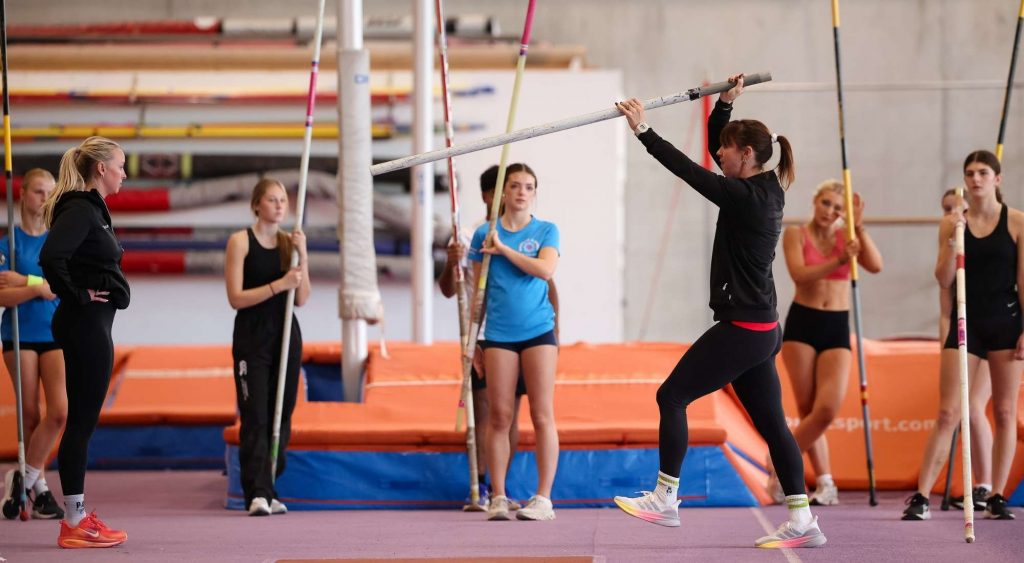
Kate retired from the sport in 2012 and is now coaching the next generation of athletes. She has lots of experience from all areas of being an athlete to pass on, including anti-doping:
“Now as a coach I just try and promote the same rules that I used myself. It’s actually easier for athletes now to abide by those rules. I think everything is easier to check with the technology that we have and the whereabouts system has got way better and easier too, so there’s no excuses really. You’re responsible, so take the responsibility seriously.”
She can support her athletes to create good habits for competing clean, but ultimately the responsibility lies with the athlete.
An ever-changing environment
Having been part of the UKAD Athlete Commission for eight years, Andrew has seen lots of changes in how sport approaches anti-doping and integrity.
“Ultimately, anti-doping has to strike a balance. Yes, it must be preventative, through education and culture; and part of that prevention is punitive, through rules and enforcement – ideally at the same level across sports and nations as possible. But it must also recognise that athletes are people, navigating complex pressures and environments. Getting that balance right is key to protecting both athletes and the integrity of sport.”
England Athletics is committed to ensuring that athletes and runners of every level have access to accurate information and are empowered to make healthy, drug-free choices. The message is simple: just don't risk it. True success is built, not bought.
To find out more about Clean Sport Week and access resources, visit www.ukad.org.uk/clean-sport-week.